

Edinburgh College becomes first college in Scotland to fully decarbonise one of its campuses
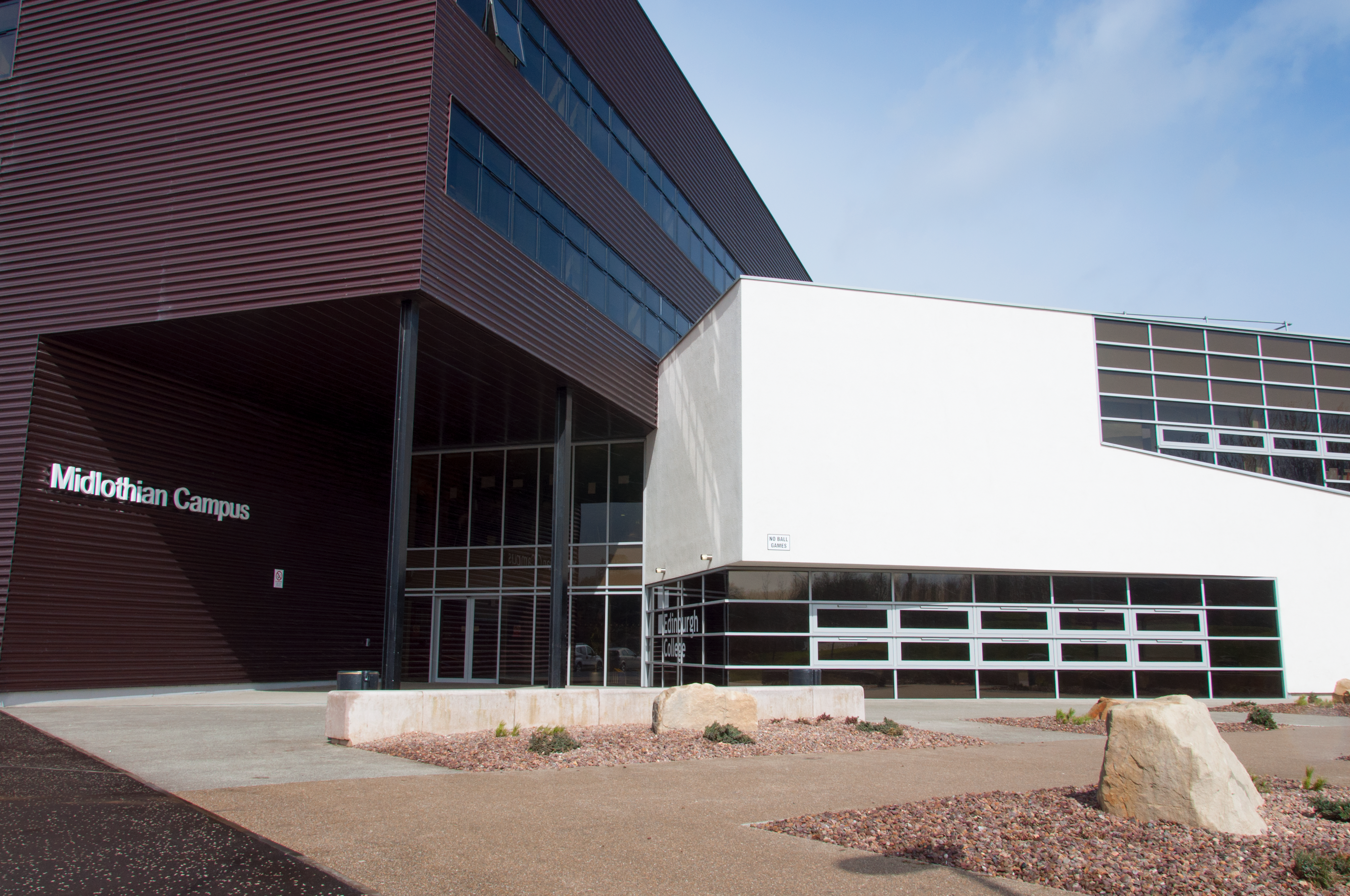
Edinburgh College recently advanced its Net Zero goals after becoming the first college in Scotland to completely decarbonise one of its campuses.
Working in partnership with renewable energy experts Vital Energi, and funded through the Scottish Government’s Energy Efficiency Grant Scheme 2024/25, the College completed one of its most ambitious energy programmes to date by replacing the existing fossil‑fuel heating system at its Midlothian Campus with a new renewable heating system.
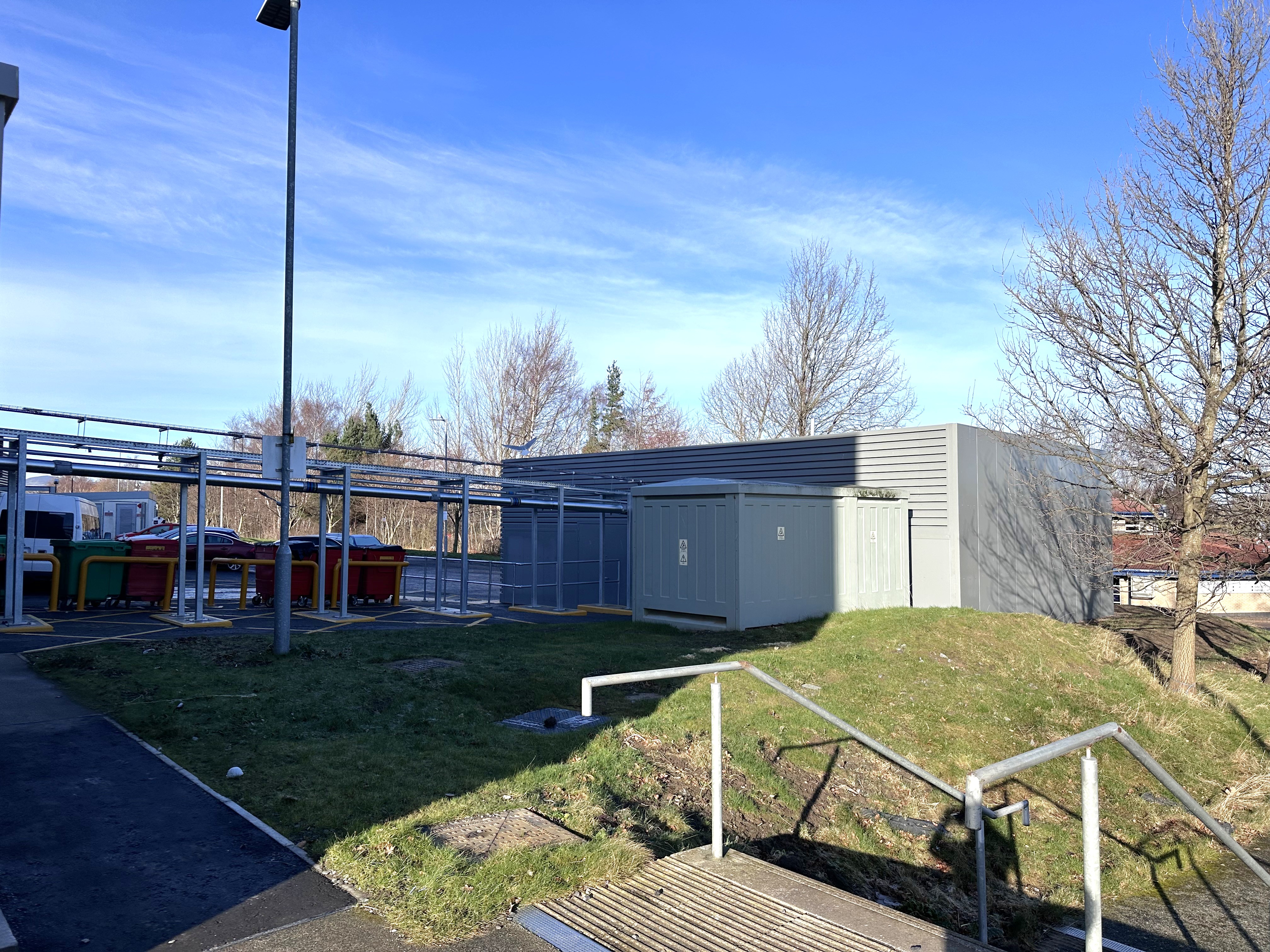
The College’s gas heating system has been replaced by a new 640kW air source heat pump, delivered through the Non-Domestic Energy Efficiency Framework (NDEE), with upgrades being made to the secondary heat system and controls, which will reduce carbon emissions on campus by over 100 tonnes each year.
Edinburgh College Vice Principal Jon Buglass said: “We are delighted to reach this important milestone, with our Midlothian Campus becoming the first college campus in Scotland to be fully decarbonised. We’ve completely replaced a fossil‑fuel heating system with a modern, renewable alternative that will cut emissions, reduce long‑term operating costs, and create a more sustainable environment that will benefit our college community for years to come.”
The project is being delivered through the NDEE framework and comes with an energy performance contract, which guarantees certain key performance indicators, such as carbon reduction, will be met, providing the College with certainty that its new heating system will perform as promised.
Vital Energi’s Regional Manager, Kieran Walsh said: “Normally, organisations decarbonise in phases, with several smaller projects, but Edinburgh College has been able to electrify their heating system in one single phase, which is an important achievement, and one which we’re sure will inspire other colleges.”
“The scheme allows them to break away from old, fossil fuelled boilers and embrace the latest technology and, as the grid decarbonises through more green sources, such as wind and solar, those carbon savings will continue to grow.”
In addition to eliminating its reliance on gas in a single phase, the project has an added benefit of being an educational resource for the College’s Engineering, Renewables and Energy Efficiency Training Centre, allowing students to study and learn from the new low-carbon system.